
Nutrient guide
Phosphorus (P)
Essential for early root growth and energy in the plant. Placement matters because phosphorus barely moves in soil.
What phosphorus does
Phosphorus is central to how plants store and use energy. It supports root development, tillering and early vigour, and in legumes it supports nodulation.
Signs of deficiency
Plants are stunted and slow, with poor tillering. Older leaves can turn dark green, then purplish. Maturity may be delayed. Symptoms are often clearest in young crops and can be hard to see later.
Why phosphorus becomes unavailable
Phosphorus moves very little in soil. Soon after fertiliser dissolves, much of the phosphorus reacts with calcium in alkaline soils, or with iron and aluminium in acidic soils, forming compounds plants cannot easily use. Calcareous soils and soils with a high phosphorus buffering index (PBI) bind more of it. Because it stays close to where it is placed, phosphorus at sowing is usually put near the seed, where young roots grow.
Testing
Soil tests such as Colwell P, read together with PBI, indicate how much phosphorus is available and how strongly the soil holds it. Over time, results show whether soil phosphorus is being built up, maintained or run down.
Other ways phosphorus goes missing
- Runoff and erosion: phosphorus attached to soil particles, or fertiliser still on the surface, can be carried off after heavy rain.
- Soil pH: availability falls in very acidic and very alkaline soils.
- Cold soils: root growth and phosphorus uptake slow in cold soils, so young crops can show deficiency early in the season.
- Seed-row effects: phosphorus fertilisers that also contain ammonium nitrogen, such as DAP, release ammonia that can damage seed at high rates in the furrow.
What phosphorus deficiency looks like
Photos of deficiency symptoms. Where we do not yet have a suitable photo, we will add our own trial photo. Symptoms vary with crop, variety, soil and season.
-
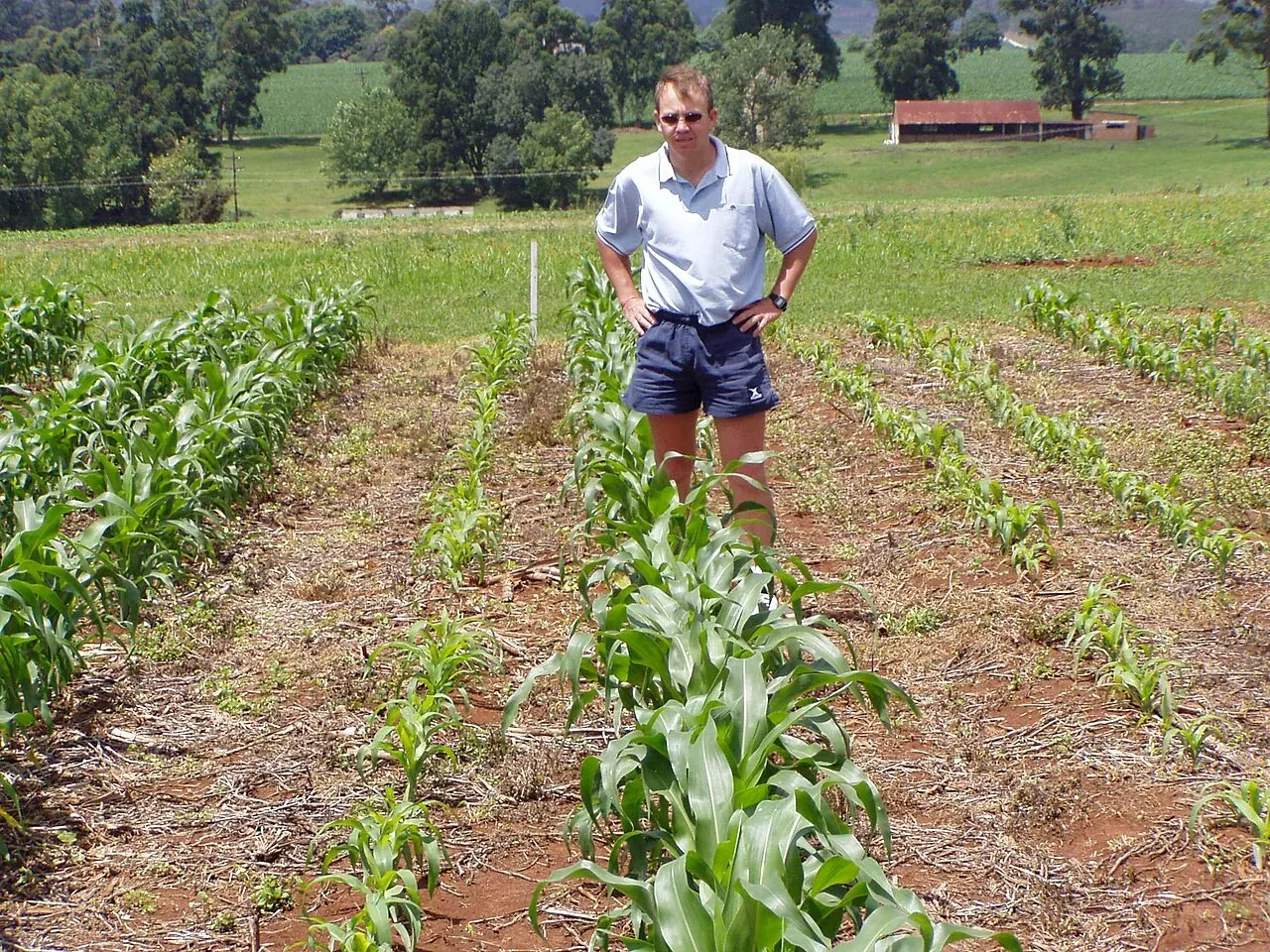
Phosphorus response in a maize trial: tall plants got band-placed phosphorus at planting; the short, stunted plants got none. Photo: Alandmanson, CC0 1.0 (public domain dedication), via Wikimedia Commons. -
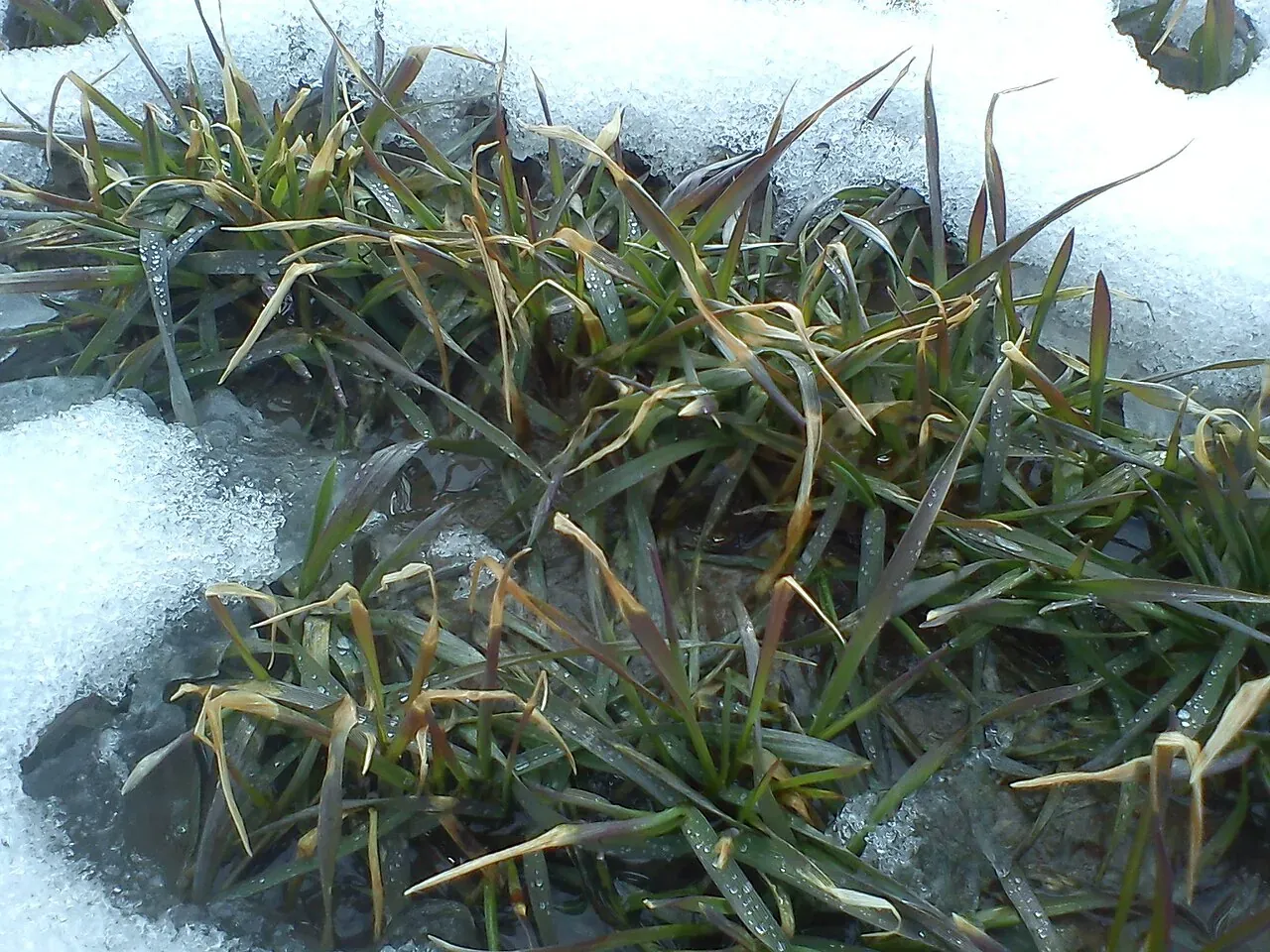
Phosphorus deficiency in winter wheat: dull, dark older leaves with purple and red tints. Photo: Agronom, CC BY-SA 3.0, via Wikimedia Commons.
Photos may show other crops with the same symptom. Full credits: Image credits.
How LCF products fit
LCF Australia supplies compound fertilisers made by our manufacturing partner Lardmee (LDM), including Urea Plus and zinc and manganese sulphates, on enquiry. We also supply the Field Spears soil testing kit, which reads soil N, P, K and pH in the paddock. Which product suits, how much and when depends on the soil, the crop, the season and how you apply it.
-
Humate compound fertilisers
Our manufacturing partner Lardmee (LDM), an independent company in China, makes compound fertilisers that include potassium humate. Ask us about products and availability.
View Humate compound fertilisers -
Other fertilisers by enquiry
Granular urea and other fertilisers. Name the product and the quantity and we will tell you what we can supply.
View Other fertilisers by enquiry